
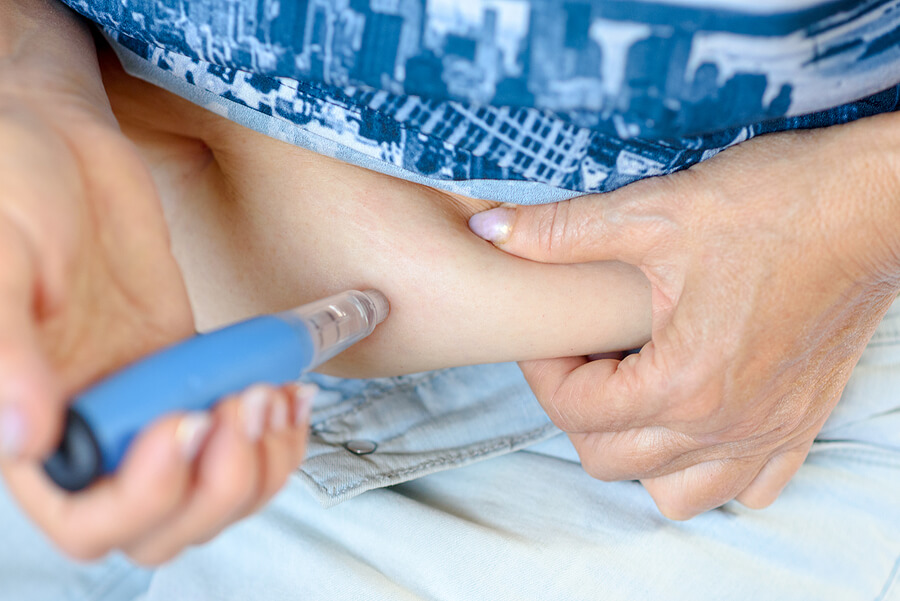
Starting in July, Medicare is launching a pilot program that will offer older Americans the chance to receive these drugs for as little as $50 a month to treat obesity.
Medicare Part D covers some GLP-1 medications for diabetes, cardiovascular disease, and sleep apnea, but in the past, Medicare didn’t cover weight-loss prescriptions. The $50 monthly price for any dosage is also well below what most Medicare patients pay out of pocket for GLP-1 prescriptions.
Seniors already struggling to pay for medications aren’t likely to be able to afford an additional $660 annual fee for the drugs. The program hasn’t yet launched, but the impact could be considerable. Adding this benefit permanently would require a change in federal law and, perhaps more challenging, getting health insurance companies to offer the medications in Part D prescription drug plans.
The cost to Medicare will also be a factor in whether the pilot program is extended. The popularity of these drugs is estimated to cost $35 billion from 2026 to 2034, according to a recent article in The New York Times, “A Guide to Medicare’s New Coverage for Obesity Drugs.”
The program will run from July 1, 2026, to December 31, 2027, under the name “Medicare GLP-Bridge.” The name reflects the idea that it is intended to bridge the gap before a longer program begins – if it ever does.
Seniors seeking access to the medications must already be enrolled in a Medicare Part D prescription drug plan, have a body mass index of 27 or higher, and have certain health conditions, including heart disease or prediabetes.
The Bridge GLP-1 program will have processes that differ from those for typical Part D prescriptions. It will require prior authorization, with doctors sending prescriptions through a central system operated by the CMS contractor Humana. Once approved, patients will pay their $50 co-pay at the pharmacy when picking up their prescription.
Some things to be aware of: recipients of Extra Help can’t use it for GLP-1 Bridge drugs. The $50 co-pay won’t count toward the Part D deductible or the $2,100 out-of-pocket cap on prescription drugs.
Most studies have shown that people who stop taking the GLP-1 drugs regain the weight they lost. If the pilot program ends and the weight returns, it won’t be a permanent solution for many.
For Medicare patients who qualify for GLP-1 because of Type 2 diabetes or cardiovascular disease risk reduction, it may make sense to continue receiving it through the standard Part D plan. People already on GLP-1 for weight loss might qualify for the Bridge program.
What will happen after the pilot program? The bridge program was originally planned for 6 months, but because not enough insurance companies signed up, CMS extended it to 18 months. The hope is that insurance companies will have more data on how many Medicare beneficiaries receive GLP-1 drugs and more time to negotiate if the plan is continued.
Nothing is simple when it comes to pharmaceutical companies, insurance companies, and the government. We wonder whether other Medicare costs would drop dramatically if more people had access to GLP-1 drugs, and whether any of these big entities would put 1 + 1 together to get 2?
#Medicare #GLP1 #SeniorHealth #HealthcarePolicy #ObesityTreatment #MedicarePartD #WeightLossDrugs #HealthyAging #HealthcareCosts #PrescriptionDrugs #estateplanningroslyn #elderlawestateplanningny #elderlawyerNY #roslynelderlawyer